
- [email protected]
- Anamnagar Kathmandu

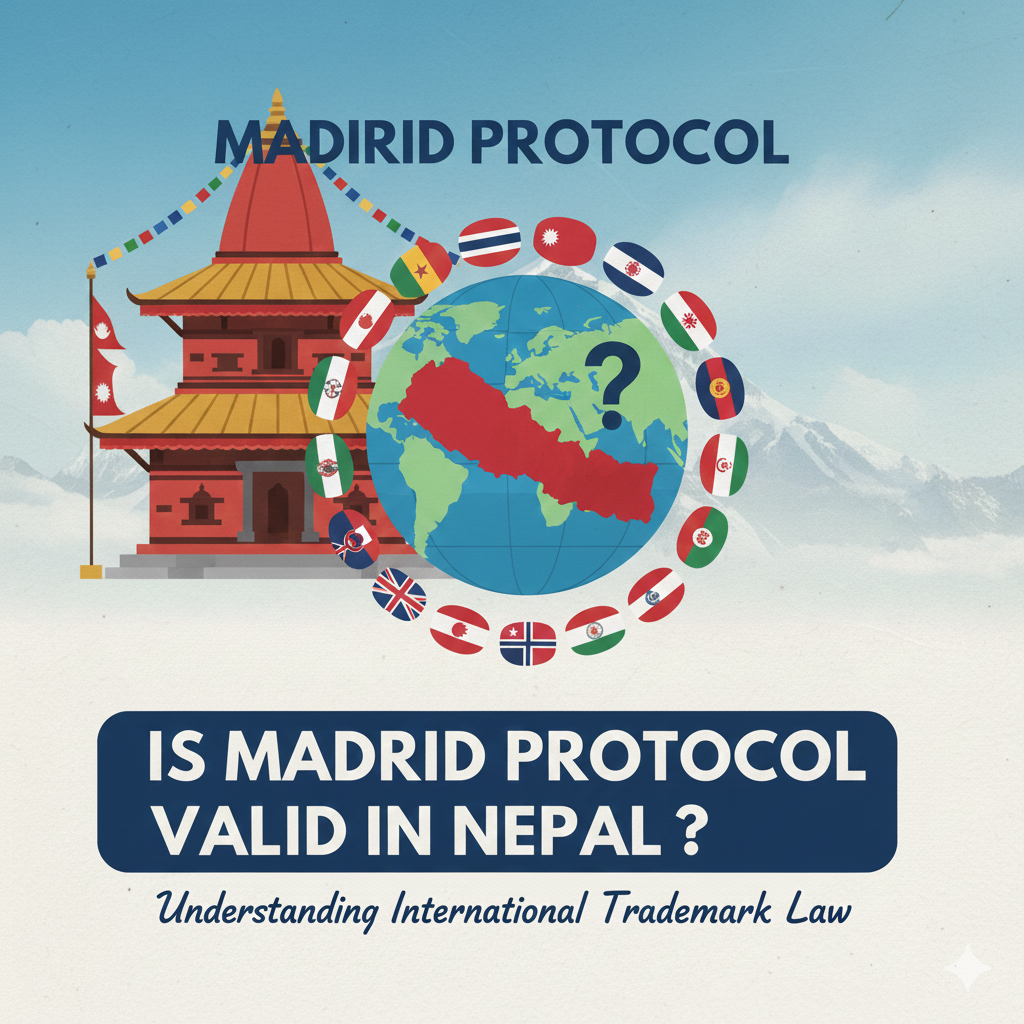
Is Madrid Protocol Valid in Nepal
01
Dec
Madrid Protocol Validity in Nepal: Current Status
The Madrid Protocol valid in Nepal question has a definitive answer: No, the Madrid Protocol is not currently valid in Nepal. Nepal has not acceded to the Madrid Agreement or Madrid Protocol, which means international trademark applicants cannot seek protection in Nepal through the Madrid System's streamlined international registration process. This status has significant implications for businesses seeking trademark protection in the Nepalese market.
Nepal's Trademark System: International Context
Nepal maintains its trademark protection system through national legislation, primarily the Patent, Design and Trademark Act 2022 (1965), administered by the Department of Industry's Patent, Design and Trademark Office (PDTM). While Nepal is a member of the WIPO Convention and the Paris Convention, it has not yet joined the Madrid System for international trademark registration.
Table: Nepal's International IP Treaty Membership Status
| Treaty/Convention | Membership Status | Impact on Trademarks |
|---|---|---|
| Paris Convention | Member | National treatment for foreign applicants |
| WIPO Convention | Member | Cooperation with international IP systems |
| Madrid Agreement | Not a member | No access to Madrid System registration |
| Madrid Protocol | Not a member | No access to Madrid Protocol registration |
| TRIPS Agreement | Member (via WTO) | Minimum standards for IP protection |
Why Nepal Has Not Joined the Madrid System
Nepal's decision to remain outside the Madrid System stems from several factors:
- Administrative Preparedness: Nepal's trademark office may lack the technical infrastructure and resources to integrate with the Madrid System's digital processes.
- Economic Considerations: The government may prefer maintaining national registration fees rather than receiving smaller shares of international fees through the Madrid System.
- Policy Priorities: Nepal's IP development has focused on domestic capacity building rather than international integration.
Alternative Trademark Registration Options in Nepal
Since the Madrid Protocol is not valid in Nepal, foreign applicants must use the national registration route to protect their trademarks in Nepal. The process involves:
Required Documents for Nepal Trademark Registration
- Applicant Information: Name, address, and nationality/registration details
- Trademark Specimen: Clear representation of the mark in JPEG format
- Goods/Services List: Classified according to Nice Classification
- Power of Attorney: Signed and notarized
- Priority Documents: If claiming priority (with certified translation)
Proof of Home Registration: May be required by examiners
Nepal Trademark Registration Process
The registration procedure follows these key stages:
- Application Filing: Submission of documents to PDTM
- Formality Examination: Verification of application completeness (4-8 weeks)
- Substantive Examination: Assessment of registrability and conflicts (12-16 weeks)
- Publication Period: Public notice and opportunity for opposition (90 days)
- Registration & Certificate: Issuance of registration certificate (4-8 weeks)
Table: Timeline for Nepal Trademark Registration
| Stage | Duration | Key Activities |
|---|---|---|
| Application Filing | 1-2 days | Submission of documents to PDTM |
| Formality Examination | 4-8 weeks | Verification of application completeness |
| Substantive Examination | 12-16 weeks | Assessment of registrability and conflicts |
| Publication Period | 90 days | Public notice and opportunity for opposition |
| Registration & Certificate | 4-8 weeks | Issuance of registration certificate |
| Total Process | 6-9 months | Complete registration cycle |
Cost Comparison: Madrid System vs. National Registration
Since the Madrid Protocol is not valid in Nepal, businesses must budget for national registration:
Table: Trademark Registration Cost Comparison
| Cost Element | Madrid System | Nepal National Registration |
|---|---|---|
| Basic Filing Fee | $0 (part of international fee) | $30-50 per class |
| Publication Fee | Included | $20-30 |
| Registration Certificate | Included | $40-60 |
| Attorney Fees | $500-1,000 (for international application) | $300-800 |
| Translation Costs | Not required | $50-150 (if needed) |
| Total Initial Cost | $800-1,500 | $390-940 |
Strategic Implications for Businesses
The absence of Madrid Protocol validity in Nepal creates several strategic considerations:
- Separate Applications: Businesses must file individual applications in Nepal rather than including Nepal in a Madrid System application.
- Additional Costs: National registration requires separate budget allocation for Nepal.
- Timeline Management: The registration process in Nepal may take longer than Madrid System procedures.
- Local Representation: Foreign applicants must appoint a local trademark agent or attorney in Nepal.
Future Prospects: Nepal and the Madrid System
While the Madrid Protocol is not currently valid in Nepal, there are indications that Nepal may consider accession in the future:
- Nepal has demonstrated commitment to international IP standards through its membership in the Paris Convention and TRIPS Agreement.
- The World Intellectual Property Organization (WIPO) has been actively encouraging more countries to join the Madrid System.
- Regional neighbors like India and China are Madrid Protocol members, creating pressure for harmonization.
However, as of 2025, no concrete timeline has been established for Nepal's potential accession to the Madrid System.
Practical Recommendations for Trademark Protection
Given that the Madrid Protocol is not valid in Nepal, businesses should:
- File Directly in Nepal: Submit national applications through the PDTM.
- Use Local Counsel: Engage experienced trademark attorneys in Nepal to navigate the local system.
- Monitor Deadlines: Track the 90-day publication period for potential oppositions.
- Plan for Maintenance: Budget for renewal fees every 7 years.
- Consider Regional Strategy: Evaluate trademark protection across South Asia holistically while recognizing Nepal's separate requirements.
FAQ Section
Q1: Is the Madrid Protocol valid in Nepal?
A: No, the Madrid Protocol is not valid in Nepal. Nepal has not acceded to either the Madrid Agreement or the Madrid Protocol, which means international trademark applicants cannot use the Madrid System to register trademarks in Nepal.
Q2: Can I include Nepal in my Madrid System application?
A: No, you cannot include Nepal in a Madrid System application because Nepal is not a member of the Madrid Union. You must file a separate national application directly with Nepal's Patent, Design and Trademark Office to obtain trademark protection in Nepal.
Q3: Why hasn't Nepal joined the Madrid Protocol?
A: Nepal has not joined the Madrid Protocol due to various factors including administrative preparedness, economic considerations, and policy priorities focused on developing domestic IP infrastructure before integrating with international systems.
Q4: How can I protect my trademark in Nepal without the Madrid Protocol?
A: You can protect your trademark in Nepal by filing a national application directly with the Patent, Design and Trademark Office (PDTM) under Nepal's Department of Industry. This process requires local representation and follows Nepal's national trademark laws.
Q5: Will Nepal join the Madrid System in the future?
A: While there is no official timeline, Nepal may consider joining the Madrid System in the future as it continues to develop its IP infrastructure and harmonize with international standards. However, as of 2025, Nepal remains outside the Madrid System.
Q6: What are the disadvantages of Nepal not being in the Madrid Protocol?
A: The main disadvantages include: (1) inability to file a single application covering multiple countries including Nepal, (2) additional costs for separate national applications, (3) need for local representation in Nepal, and (4) more complex portfolio management for international brand owners.
Q7: How long does trademark registration take in Nepal?
A: Trademark registration in Nepal typically takes 6-9 months from filing to registration, assuming no objections or oppositions. This includes formality examination (4-8 weeks), substantive examination (12-16 weeks), publication period (90 days), and certificate issuance (4-8 weeks).
Conclusion
The definitive answer to "Is Madrid Protocol valid in Nepal?" is no. Nepal remains outside the Madrid System, requiring trademark owners to pursue national registration through the country's Patent, Design and Trademark Office. While this creates additional steps and costs for international businesses, Nepal's trademark system provides adequate protection for foreign brands willing to navigate the national registration process.
Businesses seeking trademark protection in Nepal should work with experienced local counsel to ensure compliance with national requirements and to maximize the efficiency of the registration process. Despite not being part of the Madrid System, Nepal offers a functioning trademark framework that protects intellectual property rights in accordance with international standards through its membership in the Paris Convention and TRIPS Agreement.
For the most current information on Nepal's potential accession to the Madrid Protocol or changes in its trademark laws, businesses should consult with local IP professionals or monitor updates from Nepal's Department of Industry and the World Intellectual Property Organization.
Next Steps: If you need to protect your trademark in Nepal, contact our experienced IP team today for personalized assistance with national registration requirements and strategic portfolio management in the Nepalese market.
Sources
- Nepal Trademark Registration Guide - Detailed overview of the national registration process in Nepal.
- Detailed Trademark Registration in Nepal - Official information on Nepal's IP laws and procedures.
- WIPO Madrid System: Filing Basics - Official guide to the international registration process for comparison.
- International Trademark Association: Madrid Protocol - Authoritative fact sheet on the Madrid Protocol from INTA.
- WIPO and Global IP Protection - Information on global IP systems and country memberships.