
- [email protected]
- Anamnagar Kathmandu

Nepal Drug Approval Process
15
Dec
Introduction to Nepal's Drug Approval Framework
The Department of drugs approval process in Nepal is administered by the Department of Drug Administration (DDA), which operates under the Ministry of Health and Population. This regulatory body is responsible for ensuring the safety, efficacy, and quality of all pharmaceutical products entering the Nepalese market. Understanding this complex regulatory landscape is crucial for pharmaceutical companies, importers, and healthcare professionals seeking to navigate Nepal's drug approval system efficiently.
In Nepal, the drug registration process follows strict guidelines established under the Drug Act of 2035 BS (1978 AD) and its subsequent amendments. These regulations are designed to protect public health while facilitating access to essential medicines. The Department of Drug Administration (DDA) serves as the central authority for implementing these regulations, conducting inspections, and maintaining quality standards throughout the pharmaceutical supply chain.
For international and domestic pharmaceutical companies, understanding the Nepal drug approval requirements is the first step toward market entry. This comprehensive guide will walk you through every aspect of the process, from initial application to final approval, highlighting critical considerations that can streamline your journey through Nepal's regulatory landscape.
The Regulatory Structure: Understanding Nepal's Drug Administration
The pharmaceutical regulatory framework in Nepal is structured hierarchically, with the DDA at its apex. Established in 1979, the DDA has evolved significantly over the decades, adapting to global pharmaceutical standards while addressing local healthcare needs. The department is mandated to regulate drugs, cosmetics, and medical devices, ensuring they meet established quality standards before reaching consumers.
Several key divisions within the DDA handle different aspects of the drug approval process in Nepal:
- Drug Registration Division: Responsible for evaluating and approving new drug applications
- Quality Control Division: Conducts laboratory testing and quality assurance
- Inspection Division: Performs facility inspections and compliance checks
- Licensing Division: Issues manufacturing, import, and sales licenses
- Pharmacovigilance Division: Monitors adverse drug reactions and post-market surveillance
This structured approach ensures that all aspects of drug safety and efficacy are thoroughly evaluated before products are approved for the Nepalese market. The DDA Nepal approval process is known for its meticulous documentation requirements and adherence to international guidelines set by organizations like the World Health Organization (WHO).
Comprehensive Overview of the Drug Approval Process
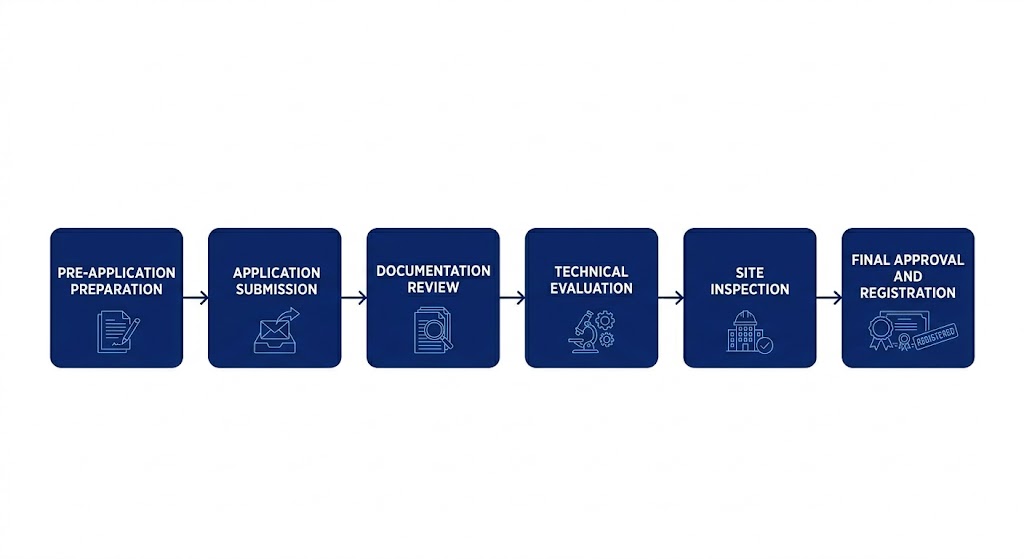
The Department of drugs approval process in Nepal can be divided into several distinct stages, each with specific requirements and timelines. Below is a detailed breakdown of each phase:
Stage 1: Pre-Application Preparation
Before submitting an application to the DDA, pharmaceutical companies must ensure that all necessary documentation is prepared. This typically includes:
- Product information dossier (PID)
- Certificate of Pharmaceutical Product (CPP)
- Certificate of Analysis (CoA)
- Stability data
- Clinical trial data (if applicable)
- Manufacturing process details
- Quality control procedures
For imported drugs, additional documentation may be required, including proof of registration in the country of origin and manufacturing facility compliance certificates.
Stage 2: Application Submission
Once all documentation is prepared, applications are submitted to the Drug Registration Division of the DDA. The application must be accompanied by the prescribed fee, which varies depending on the type of drug and origin of manufacture. The table below outlines the current fee structure for different categories of drug registration in Nepal:
| Drug Category | Local Manufacturer | Foreign Manufacturer |
|---|---|---|
| New Chemical Entity | NPR 50,000 | NPR 75,000 |
| Generic Drug | NPR 30,000 | NPR 45,000 |
| Biological Product | NPR 60,000 | NPR 90,000 |
| Herbal Medicine | NPR 25,000 | NPR 40,000 |
Stage 3: Documentation Review
Upon receipt, the DDA conducts a preliminary review of the application to ensure completeness. Any deficiencies must be addressed before the application proceeds to the technical evaluation stage. This review typically takes 15-30 days, during which the applicant may be requested to provide additional information or clarification.
Stage 4: Technical Evaluation
The technical evaluation is the most comprehensive phase of the drug registration process in Nepal. During this stage, the product's quality, safety, and efficacy are assessed by a committee of experts. The evaluation includes:
- Review of pharmaceutical data
- Assessment of manufacturing processes
- Evaluation of clinical trial results
- Verification of labeling and packaging information
This stage typically takes 60-90 days, depending on the complexity of the product and the completeness of the submitted documentation.
Stage 5: Site Inspection
For new manufacturing facilities or when required by the evaluation committee, the DDA conducts physical inspections of production facilities. These inspections verify compliance with Good Manufacturing Practices (GMP) and ensure that the facilities meet the standards necessary for producing quality pharmaceutical products.
Stage 6: Final Approval and Registration
If the product successfully passes all evaluation stages, the DDA issues a registration certificate, which is typically valid for five years. This certificate allows the product to be legally manufactured, imported, distributed, and sold in Nepal. The entire drug approval timeline in Nepal from application to final approval typically ranges from 4-6 months for conventional products, though this may vary based on the specific circumstances of each application.
Special Considerations for Different Drug Categories
The Department of drugs approval process in Nepal includes specific provisions for different categories of pharmaceutical products. These special considerations are designed to address the unique characteristics and regulatory requirements of various drug types.
New Chemical Entities (NCEs)
For NCEs, the DDA requires comprehensive clinical trial data demonstrating safety and efficacy. The evaluation process for these products is more rigorous and typically takes longer than for established drugs. Companies seeking approval for NCEs must provide:
- Complete preclinical data
- Phase I, II, and III clinical trial results
- Detailed pharmacological and toxicological studies
- Proposed indications and dosage regimens
Generic Drugs
For generic drugs, the DDA requires proof of bioequivalence with the reference product. This can be demonstrated through in vitro dissolution studies or in vivo bioequivalence studies, depending on the drug's characteristics. The generic drug approval process in Nepal is generally faster than for NCEs, provided that adequate bioequivalence data is submitted.
Biological Products
Biological products, including vaccines, blood products, and biotechnology-derived medicines, undergo a specialized evaluation process. The DDA requires additional documentation for these products, including:
- Detailed characterization of the biological product
- Validation of manufacturing processes
- Special stability studies
- Immunogenicity data
Herbal and Traditional Medicines
Nepal has a rich tradition of herbal medicine, and the DDA has established specific guidelines for the approval of these products. While the requirements are somewhat less stringent than for conventional pharmaceuticals, applicants must still provide:
- Botanical identification of plant materials
- Standardization methods
- Safety data
- Traditional usage documentation
Common Challenges and Solutions in the Drug Approval Process
Despite the structured nature of the Department of drugs approval process in Nepal, applicants often encounter various challenges. Understanding these potential obstacles and their solutions can significantly streamline the approval process:
Documentation Issues
Incomplete or improperly formatted documentation is the most common reason for delays in the approval process. To avoid this issue:
- Carefully review all requirements before submission
- Use the DDA's standardized forms when available
- Consider engaging local regulatory consultants familiar with DDA expectations
- Maintain clear communication with DDA officials throughout the process
Quality Control Concerns
Products that fail to meet quality standards during laboratory testing will face rejection. To mitigate this risk:
- Ensure all products meet international pharmacopeia standards
- Conduct pre-submission testing at accredited laboratories
- Implement robust quality control systems in manufacturing facilities
- Provide comprehensive stability data
Regulatory Changes
The regulatory landscape in Nepal continues to evolve, with periodic updates to guidelines and requirements. To stay compliant:
- Regularly check the DDA website for updated guidelines
- Participate in industry forums and workshops
- Establish relationships with local regulatory experts
- Monitor international regulatory trends that may influence Nepalese standards
Post-Approval Requirements and Compliance
Once a product is approved by the DDA, manufacturers and importers must comply with ongoing regulatory requirements. These post-approval obligations include:
- Pharmacovigilance reporting of adverse drug reactions
- Periodic safety update reports (PSURs)
- Compliance with labeling and packaging regulations
- Maintenance of quality standards
- Renewal of registration certificates before expiration
Failure to comply with these requirements can result in penalties, including suspension or cancellation of product registration. The DDA conducts periodic market surveillance to ensure that approved products continue to meet established quality standards.
Recent Developments and Future Trends
The Department of drugs approval process in Nepal continues to evolve in response to global pharmaceutical trends and local healthcare needs. Recent developments include:
- Implementation of electronic submission systems for drug applications
- Alignment with ASEAN guidelines for pharmaceutical harmonization
- Strengthening of pharmacovigilance systems
- Enhanced focus on local manufacturing capabilities
These developments are expected to streamline the approval process while maintaining high standards for drug safety and efficacy. For pharmaceutical companies looking to enter or expand in the Nepalese market, staying informed about these regulatory changes is essential for long-term success.
Frequently Asked Questions (FAQs)
How long does the drug approval process take in Nepal?
The drug approval timeline in Nepal typically ranges from 4-6 months for conventional products, though this may vary based on the specific circumstances of each application. New chemical entities and complex biological products may require longer evaluation periods.
What are the fees for drug registration in Nepal?
The fees for drug registration in Nepal vary depending on the type of drug and origin of manufacture. For local manufacturers, fees range from NPR 25,000 for herbal medicines to NPR 60,000 for biological products. For foreign manufacturers, fees are approximately 50% higher.
Can foreign pharmaceutical companies directly apply for drug registration in Nepal?
Yes, foreign pharmaceutical companies can directly apply for drug registration in Nepal. However, many find it beneficial to work with local agents or distributors who are familiar with the DDA's procedures and requirements.
Is clinical trial data required for all drug registrations in Nepal?
Clinical trial data is required for new chemical entities and products not previously approved in other countries. For generic drugs, bioequivalence studies may be sufficient to demonstrate therapeutic equivalence.
How often do drug registrations need to be renewed in Nepal?
Drug registrations in Nepal are typically valid for five years and must be renewed before expiration. The renewal process requires submission of updated information and payment of renewal fees.
What are the requirements for importing drugs into Nepal?
To import drugs into Nepal, companies must obtain a valid import license from the DDA and ensure that all imported products are registered with the department. Additionally, each shipment must be accompanied by appropriate documentation, including a certificate of analysis and a certificate of origin.
How does Nepal's drug approval process compare to other countries in the region?
Nepal's drug approval process is generally considered more streamlined than many of its regional counterparts, though still rigorous in its evaluation of product safety and efficacy. The DDA has been working to harmonize its regulations with international standards, particularly those recommended by the WHO.
Conclusion: Navigating Nepal's Drug Approval Landscape Successfully
The Department of drugs approval process in Nepal presents both challenges and opportunities for pharmaceutical companies seeking to enter this emerging market. While the regulatory requirements are comprehensive and the evaluation process thorough, the DDA has made significant strides in streamlining procedures and enhancing transparency.
Success in navigating this landscape requires careful preparation, attention to detail, and a thorough understanding of both the regulatory framework and practical considerations. By approaching the process with adequate preparation and, when necessary, engaging local expertise, pharmaceutical companies can efficiently obtain product registration and tap into Nepal's growing pharmaceutical market.
For personalized assistance with the drug approval process in Nepal, or to discuss your specific regulatory needs, contact our team of experienced pharmaceutical regulatory consultants who specialize in the Nepalese market.
References
-
Department of Drug Administration, Nepal. (2023). "Drug Registration Guidelines." Available at: https://www.dda.gov.np/drug-registration-guidelines
-
Ministry of Health and Population, Nepal. (2022). "Drug Act, 2035 (1978) and Amendments." Available at: https://www.mohp.gov.np/legislation/drug-act
-
World Health Organization. (2023). "Pharmaceutical Regulation in Nepal." Available at: https://www.who.int/publications/i/item/pharmaceutical-regulation-in-nepal
-
Nepal Health Research Council. (2022). "Clinical Trial Guidelines for Nepal." Available at: https://www.nhrc.org.np/clinical-trial-guidelines
-
Pharmaceutical Association of Nepal. (2023). "Industry Standards and Best Practices." Available at: https://www.phanepal.org/industry-standards
-
South Asian Association for Regional Cooperation. (2022). "Harmonization of Pharmaceutical Regulations." Available at: https://www.saarc-sec.org/pharmaceutical-harmonization
-
Food and Drug Administration, USA. (2023). "International Drug Approval Processes." Available at: https://www.fda.gov/international-programs/international-drug-approval
-
European Medicines Agency. (2023). "Regulatory Frameworks in South Asia." Available at: https://www.ema.europa.eu/en/documents/scientific-guideline/regulatory-frameworks-south-asia_en.pdf
-
International Council for Harmonisation of Technical Requirements for Pharmaceuticals for Human Use. (2023). "Guidelines for Drug Registration." Available at: https://www.ich.org/products/guidelines
-
Nepal Pharmaceutical Survey. (2022). "Market Analysis and Regulatory Trends." Available at: https://www.nepalpharmasurvey.org/regulatory-trends